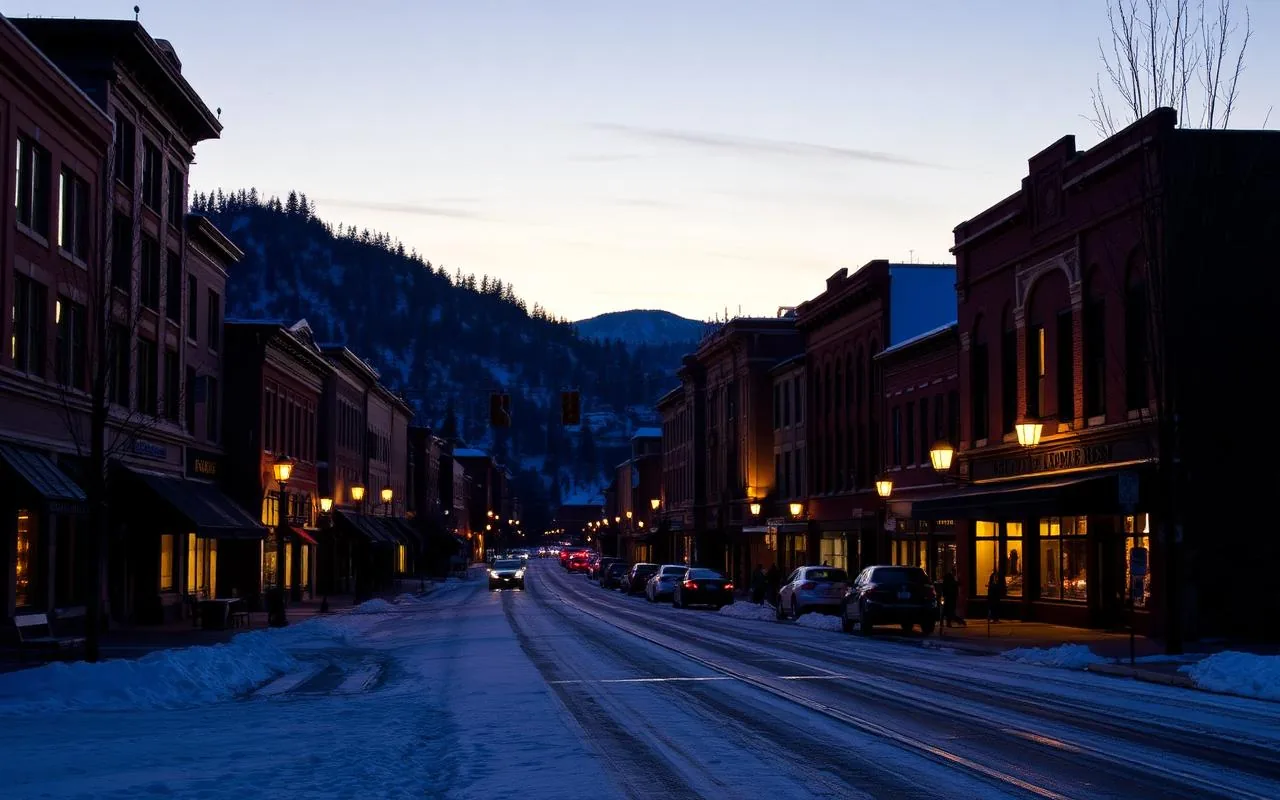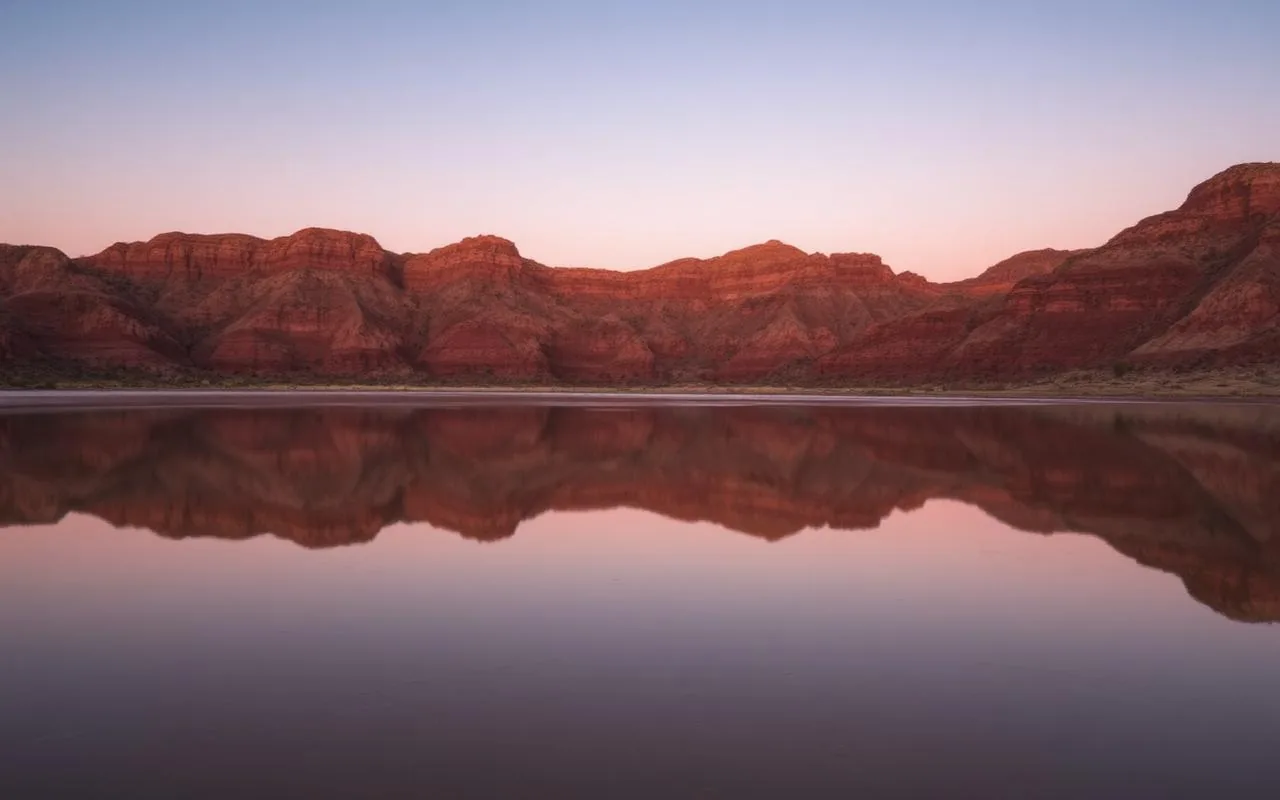
Just outside of Flagstaff, a 35-mile paved loop road connects two of Arizona's most underrated national monuments: Sunset Crater Volcano, the youngest cinder cone in the state (last erupted around 1085 CE), and Wupatki, a cluster of 800-year-old Ancestral Puebloan villages built on red sandstone above the Painted Desert.
One entry fee ($25/vehicle, good for 7 days) covers both. Most visitors take 3–4 hours. If you're spending a weekend in Flagstaff, this is the half-day excursion to add.
Start at Sunset Crater Volcano
The loop's south entrance is 12 miles north of Flagstaff on US 89. Stop first at the Sunset Crater Visitor Center for a 15-minute orientation. Then drive 1.5 miles to the A'a Trail and Lava Flow Trail — short loops (under 1 mile) that walk you across the actual lava fields and the base of the 1,000-foot cinder cone. You can't hike to the summit (closed since 1973 to protect the slope) but the trails get you close enough.
The transition drive
The 21 miles between Sunset Crater and Wupatki are a destination in themselves — you drop from 7,000 feet of high-altitude pine forest into 4,800 feet of open Painted Desert in about 30 minutes of driving. The road bends through cinder fields, juniper, and finally into open red-rock country with the San Francisco Peaks behind you and the Painted Desert ahead.
Wupatki Pueblo (the main ruins)
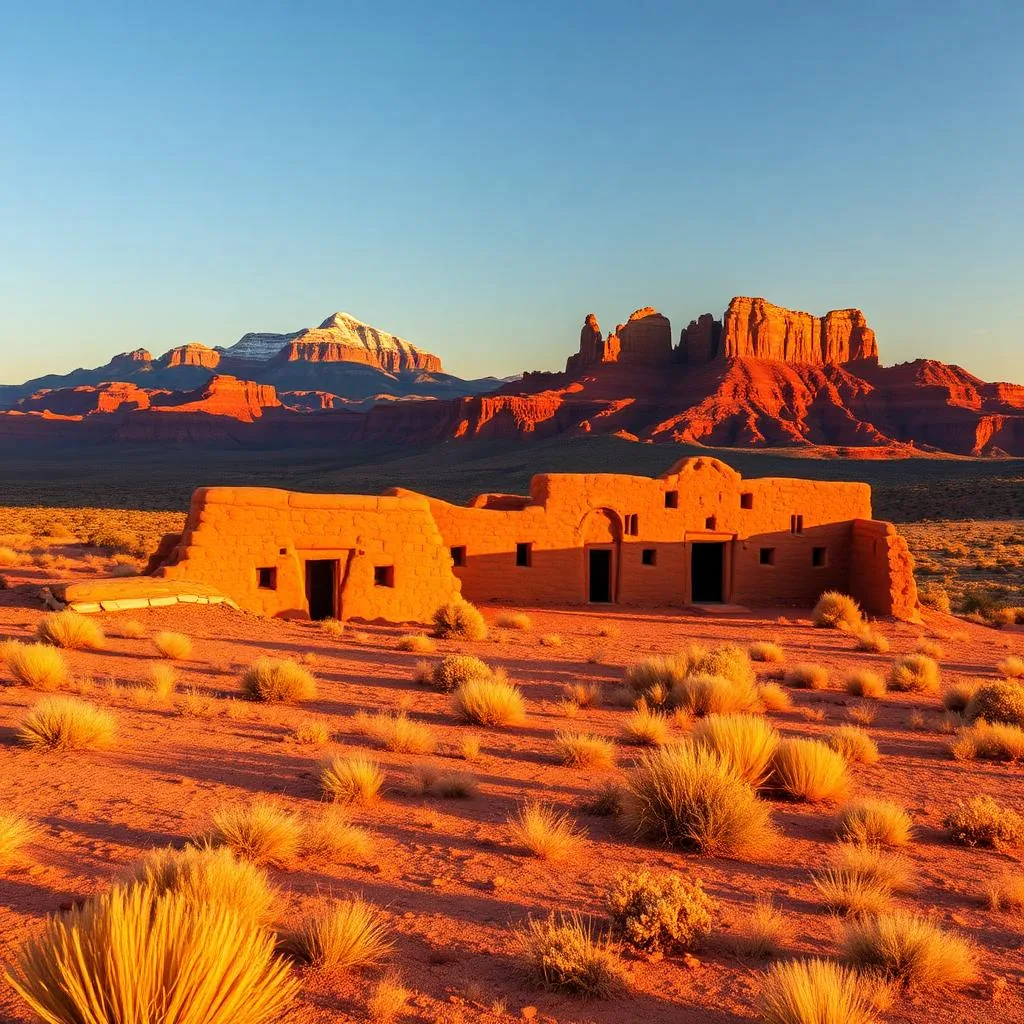
Wupatki itself is the largest pueblo in the monument — 100+ rooms across three stories, built between 1100 and 1250 CE. A self-guided 0.5-mile loop walks you through the structure, past a community room, a ballcourt (Mesoamerican-style, the northernmost ever found), and the famous 'blowhole' — a geological vent that breathes in and out depending on barometric pressure. It's the kind of detail you'd assume was a marketing gimmick if you couldn't feel the wind on your hand.
The other four pueblos
Wupatki Pueblo gets most visitors, but the loop road has four more accessible ruins, each with its own short walking trail: Wukoki Pueblo (the most photogenic, a 3-story tower on a sandstone outcrop), Citadel Pueblo (built on top of a butte), Lomaki Pueblo (small but striking), and Nalakihu (right off the road). All five together are about a 90-minute add-on if you're already on the loop.
- Sunset Crater Visitor Center + Lava Flow Trail (1 hr)
- Drive to Wupatki section (30 min)
- Wupatki Pueblo + blowhole (45 min)
- Wukoki Pueblo (30 min, most photogenic)
- Lomaki + Citadel (45 min, optional)
When to go
May, September, and October are perfect — Sunset Crater sits at 7,000 ft (cool) and Wupatki at 4,800 ft (warm), so the temperature swings 15–20 degrees between the two. Summer afternoons can be 95°F+ at Wupatki. Winter occasionally closes the higher Sunset Crater section due to snow.
Frequently asked questions
Are Wupatki and Sunset Crater worth visiting?
Yes — they're two of the most underrated national monuments in the Southwest and easily added to a Flagstaff or Grand Canyon trip.
How far is Wupatki from Flagstaff?
About 35 miles north of Flagstaff via US 89, or roughly 50 minutes of driving to the first ruins.
Can you climb Sunset Crater Volcano?
No — the summit trail has been closed since 1973 to protect the cinder slope, but several lower trails cross the lava fields and surrounding terrain.