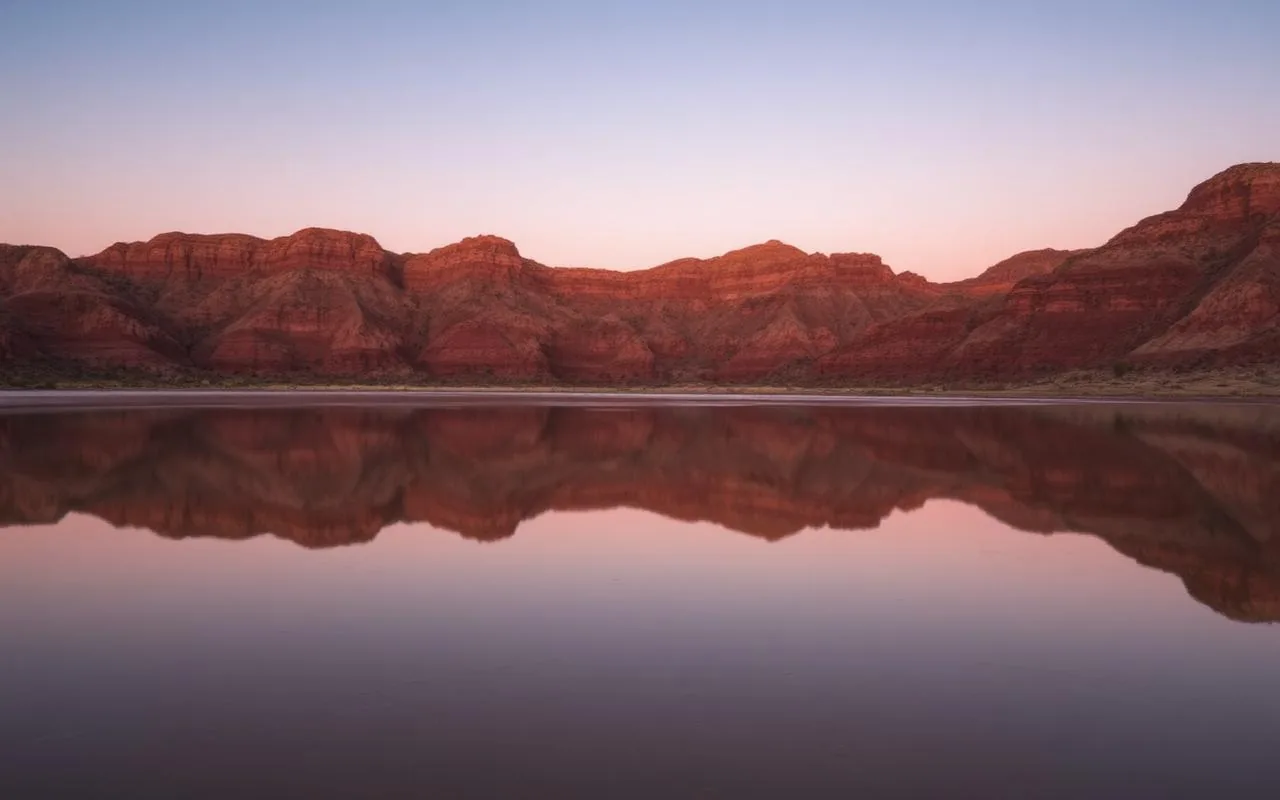
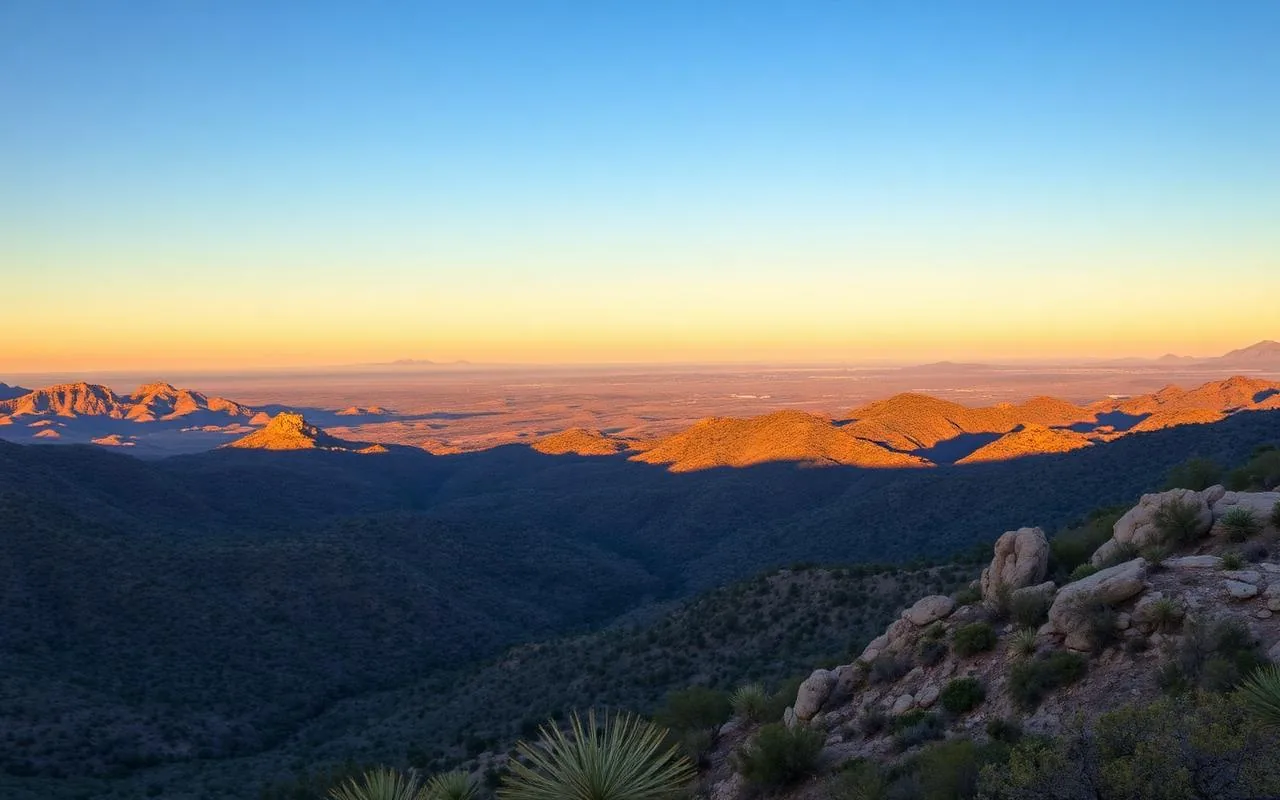
I lived in Phoenix for years before I started spending real time in Tucson, and the first thing that hit me was how different the day-trip math is down here. From Phoenix, almost every good escape is at least 90 minutes north. From Tucson, you can be in a working cattle town, a former mining ghost town, an actual wine valley, or alpine forest in under two hours — and the desert immediately around the city is the most cinematic in the state.
These are the 12 day trips I send friends on when they visit, in roughly the order I'd recommend them. Every one of these I've done multiple times, mostly more than I can count. I'll note the drive time, the season that actually makes sense, and one specific thing that's worth the trip on its own.
How to think about day trips from Tucson
Tucson's sky-island geography rewards planning around elevation, not just direction. In summer, anything under 4,000 feet is punishing by 9 AM — you want Mount Lemmon, Madera Canyon, or Chiricahua. In winter, the reverse: the low-desert parks (Saguaro, Picacho, Catalina) are perfect and the sky islands often have snow that closes upper roads. Spring (mid-February through April) and fall (mid-October through November) are the only windows where basically everything is in play.
Drive-time note: I count 90 minutes each way as the honest limit for a real day trip. Anything longer (Chiricahua, some of the Sonoita loop) works better as an overnight in Willcox, Sonoita, or Bisbee. The trips are ordered roughly by how often I actually do them, not how famous they are.
1. Mount Lemmon Scenic Byway
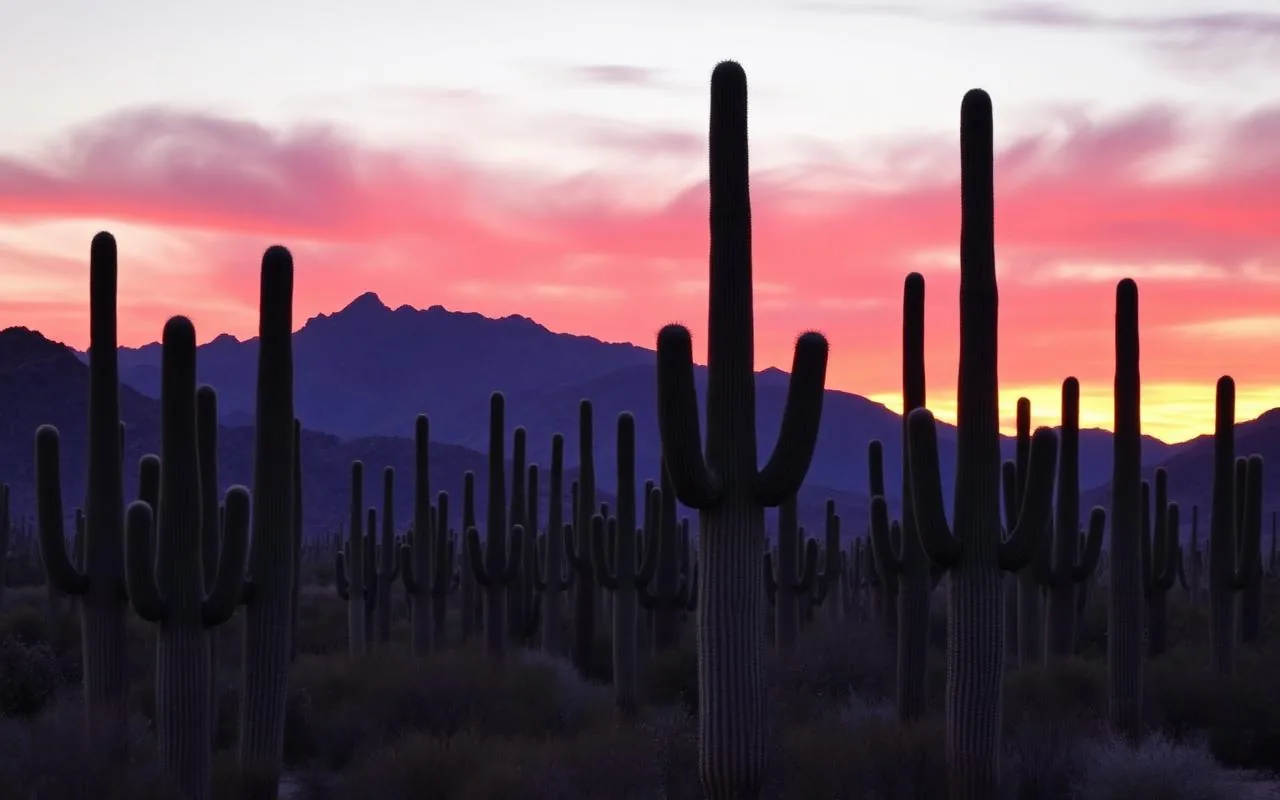
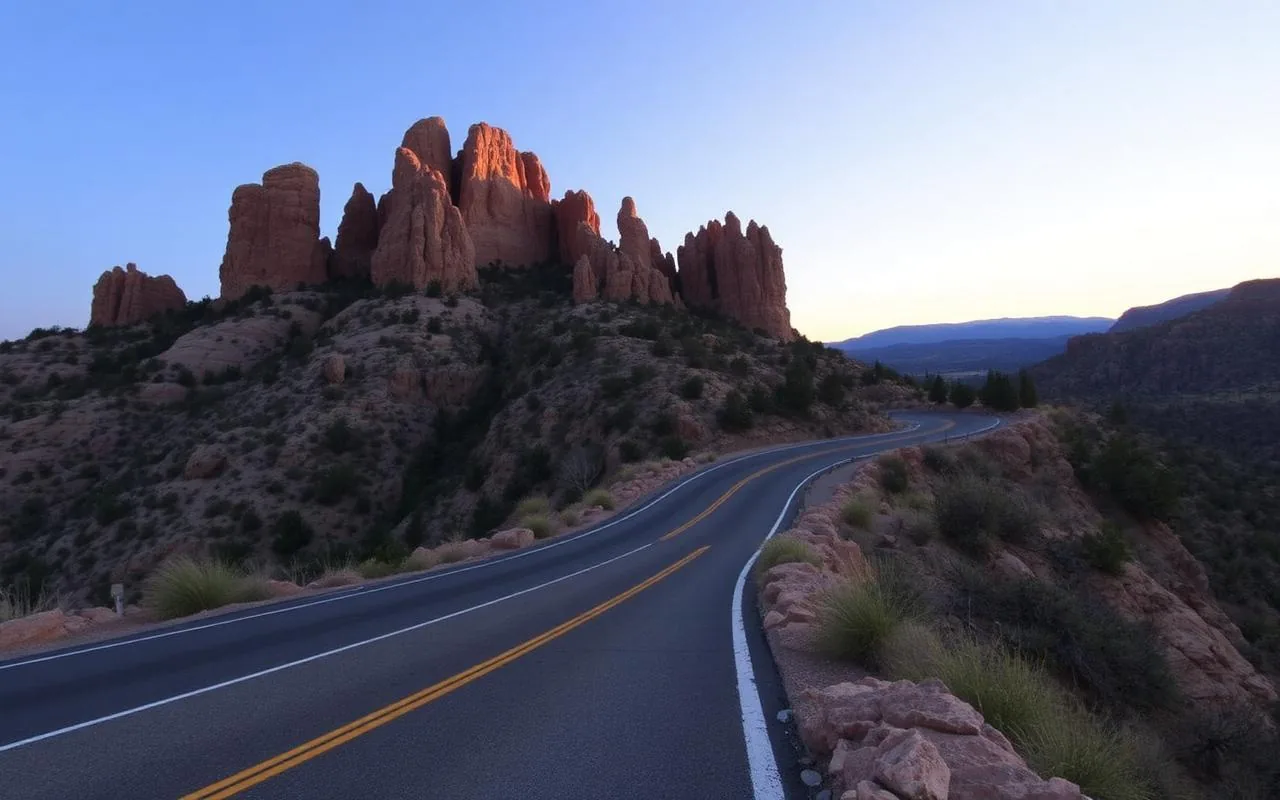
If a friend has one day in Tucson and asks me what to do, I send them up Mount Lemmon. It is the single most dramatic short drive in southern Arizona. In about an hour you climb from saguaro forest to ponderosa pines at 9,000 feet, passing hoodoo rock formations, ski-area pine groves, and a tiny mountain village (Summerhaven) with a pie shop that's been there forever.
Cost is minimal: no entrance fee, though most trailheads on the mountain need a $5 day-use permit (Coronado Recreation Pass, sold at the Palisades Ranger Station and the Circle K in Summerhaven). Fuel up in Tucson — there is no gas anywhere on the mountain. Bring a jacket even in summer; the summit runs 25–30°F cooler than downtown and afternoon monsoon storms in July and August can turn the road briefly icy at the top.
My move: leave Tucson at 8 AM, breakfast burrito at Tucson Tamale on the way out, stop at Windy Point Vista (mile 17) for the long view, lunch at the Sawmill Run in Summerhaven, then split a giant cinnamon roll at the Cookie Cabin. Back in town by 4.
2. Saguaro National Park (both districts)
Saguaro National Park is split in two by Tucson — the Tucson Mountain District to the west and the Rincon Mountain District to the east. Both are excellent in different ways. If you only have one day, the West District has denser saguaro forest and a much better sunset (the Bajada Loop Drive at golden hour is one of the most photographed places in Arizona for a reason). The East District has longer hikes and feels wilder, with more elevation to play with.
Entry is $25 per vehicle for a 7-day pass covering both districts (or free with an America the Beautiful pass). Both visitor centers open at 9 AM. The Bajada Loop is 6 miles of graded dirt — fine for any passenger car in dry weather, closed after heavy monsoon rain. Cactus Forest Loop on the East side is fully paved.
Best months are October through April. From May through September, hike at sunrise only and be off the trail by 9 AM; the park has multiple heat rescues every summer. Pair the West District with the Arizona-Sonora Desert Museum next door ($30 adult, closes 5 PM) — it is genuinely one of the best zoos in the country and a full half-day on its own.
3. Bisbee
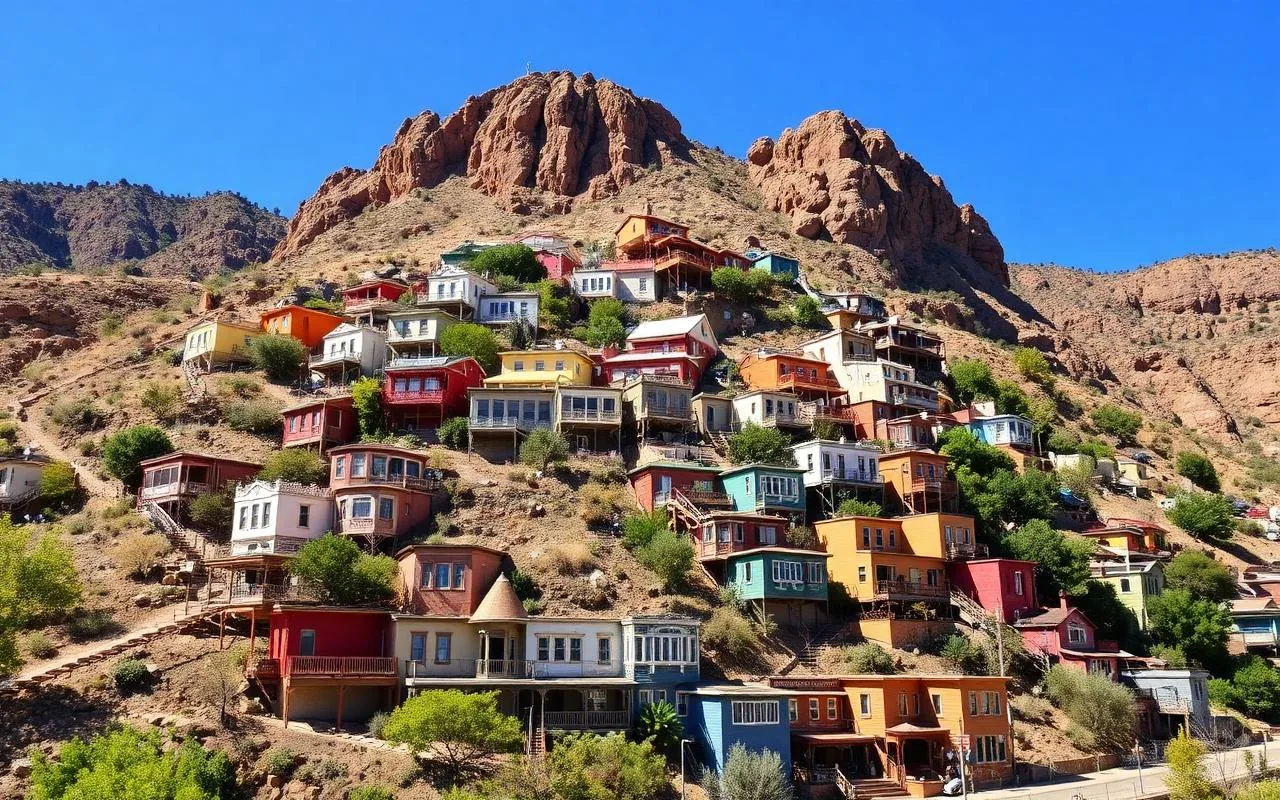
Bisbee is an hour and forty minutes south of Tucson and looks nothing like the rest of Arizona. It's a former copper mining town built into a tight canyon, where the brightly painted houses cling to walls so steep that some streets are literally just staircases. In the 1970s the artists moved in and never left.
Do this: park in the free lot near the Copper Queen Hotel, walk the entire historic downtown (it takes about 90 minutes if you stop in shops), then drive up to the OK Street Jail mural and the Bisbee 1000 stair walk if you want exercise. The Queen Mine Tour underground is $16 adult, runs on the hour, and is worth the time if you have kids or you've never been inside a real mine — bring a jacket, it stays 47°F year-round.
Lunch at Café Roka or the Bisbee Breakfast Club, beer at St. Elmo's (the oldest bar in Arizona). Best months are October through May; Bisbee sits at 5,500 feet so summer is genuinely pleasant but afternoon monsoon storms can flood the canyon streets fast. Plan to stay until dark — the canyon lights up beautifully.
4. Tubac & the Santa Cruz wine corridor
Tubac is Arizona's oldest European settlement (1752) and now functions as a small arts village 45 minutes south of Tucson off I-19. About 100 galleries and shops packed into a few walkable blocks, plus the original presidio ($7 adult, closed Mondays) and a beautiful adobe chapel. Two hours is the right amount of time to browse.
What makes Tubac into a full day is pairing it with Sonoita or Elgin wine country, another 40 minutes east through high-desert grassland that looks like nowhere else in the state. Callaghan Vineyards and Dos Cabezas are my two favorite tasting rooms; flights run $15–25 per person and both close at 4 or 5 PM. Designate a driver — the drive back on AZ-83 has essentially no cell service and elk on the road at dusk.
Best months are October through April. Summer daytime highs in Sonoita hit the mid-90s but nights are cool, and the vineyards themselves are mostly open air.
5. Madera Canyon
About an hour south of Tucson in the Santa Rita Mountains, Madera Canyon is one of the top birding destinations in North America — over 250 species, including 15 species of hummingbirds in summer. You do not have to be a birder to love it. The Madera Creek Trail is shaded, flat, and runs alongside actual water year-round; the Mt. Wrightson trail (if you want a real hike) climbs to 9,453 feet through Douglas fir and is a serious 10.8-mile day with 4,000 feet of gain.
Cost is a $10 per vehicle day-use fee (Coronado Recreation Pass) at the upper picnic areas. The Santa Rita Lodge has hummingbird feeders right off the deck that look like a National Geographic documentary — free to sit and watch, though buying a coffee at the store is the polite move.
Best months are April through October for hummingbird diversity; the peak elegant trogon window is late April to early July. In winter the upper canyon can ice over. Bring binoculars if you own any; the lodge will lend a pair if you don't.
6. Kartchner Caverns State Park
Discovered in 1974 by two cavers who kept it secret for 14 years to protect it, Kartchner is a living wet cave — meaning the formations are still actively growing. Tours are tightly controlled (humidity-locked airlocks, no touching, no photos inside) and absolutely sell out 2+ months ahead. Book at azstateparks.com before you commit to the drive (50 minutes east of Tucson).
Tour cost is $23 adult plus a $7 per vehicle park entrance fee. The Rotunda/Throne Room tour runs year-round and is the one most visitors do; the Big Room tour is closed mid-April through mid-October because the cave is also a maternity roost for thousands of bats. Tours are about 90 minutes; arrive 30 minutes early or they will release your spot.
Bring a light layer — the cave holds steady at 68°F and 99% humidity year-round. Baby carriers are not allowed inside; strollers get parked at the entrance. The above-ground Discovery Center and hummingbird garden are worth an extra hour before or after your tour.
7. Tombstone
I'll be honest — Tombstone is touristy, and the OK Corral reenactments lean cheesy. But the Bird Cage Theater ($10 adult) is genuinely the real thing, still with the bullet holes, and one of the most atmospheric small museums in Arizona. Boothill Graveyard with its sardonic headstones is free and worth 30 minutes; the courthouse state historic park ($7 adult) is excellent for context on 1880s Cochise County.
Drive time is 75 minutes southeast of Tucson via I-10 and AZ-80. Parking on Allen Street is free but scarce on weekends; there's a free lot two blocks south. Best months are October through May — the town has no shade and can hit 105°F in June and July. Combine with Bisbee (another 25 minutes south) for a long day or an overnight; that pairing is one of my most-requested itineraries.
8. Patagonia & Sonoita wine country
An hour southeast of Tucson, Patagonia is a 900-person town surrounded by some of the best birding in the country (the Paton Center for Hummingbirds is free — a small donation is appreciated) and a growing cluster of small wineries. Pair with Sonoita and you have a relaxed full-day loop through grassland that does not feel like Arizona at all.
The Patagonia–Sonoita Creek Preserve is $8 per adult and one of the most reliable spots in the state to see gray hawks and elegant trogons April through September. Lunch at Wagon Wheel Saloon or Velvet Elvis Pizza in Patagonia, then loop back through Sonoita for a tasting.
Best months are March through May and October through November. In summer, morning birding is excellent but afternoon monsoon storms roll in hard by 2 PM. Gas up in Nogales or Sonoita; Patagonia has one small station with limited hours.
9. Catalina State Park
Thirty minutes north of downtown Tucson at the foot of the Santa Catalinas. Entry is $7 per vehicle, cash or card, and the gate opens at sunrise. The Romero Pools trail (5.6 miles round trip, 900 feet of gain) leads to actual swimming holes in spring after good winter rain — best late February through early April. The Sutherland and Canyon Loop trails are easier and better for kids.
This is the closest 'serious nature' day from the city. Trailhead parking fills by 9 AM October through April; arrive at sunrise on weekends or plan to backtrack. Summer hiking here is genuinely dangerous by 9 AM — the trails have no shade and the rock reflects heat. Rangers rescue at least a dozen hikers a summer from Romero Canyon. Bring 3 liters of water per person in warm months, and skip Romero Pools entirely May through September.
10. Picacho Peak State Park
Forty-five minutes northwest of Tucson on I-10. Entry is $7 per vehicle. The peak itself is the dramatic spire you see from the freeway, and the Hunter Trail to the top (3.2 miles round trip, 1,500 feet of gain, cables on the upper section) is a legitimate scramble — leather gloves help, and the descent is the hard part.
But the real reason to go is March wildflowers. In good years, Picacho Peak's bajada turns into an unbroken carpet of orange Mexican gold poppies and yellow brittlebush from roughly March 5 through April 5. Check the park's wildflower report before making the trip — dry winters produce almost nothing. Even in off years, the easier Sunset Vista trail (5.8 miles round trip, mostly flat) is worth a midweek dash.
Best months are late October through early April. From May through September, this is the hottest state park in Arizona; the summit trail is closed above the saddle when the forecast tops 100°F.
11. Chiricahua National Monument
About two hours east of Tucson in the far corner of the state. Chiricahua is a sky island whose volcanic rhyolite has eroded into thousands of balanced rock pillars — the Apache called it 'standing-up rocks' and that is exactly right. Entry is free, which is unusual for a national monument, though donations are welcome.
The Echo Canyon to Hailstone to Ed Riggs loop (3.3 miles, mostly downhill if you take the free hikers' shuttle from the visitor center up to Massai Point) is one of the best easy hikes in Arizona — reserve the shuttle at recreation.gov the morning of your visit, and check that it's running before you drive.
The drive is long enough that I'd combine it with a night in Willcox (35 minutes north, decent hotels and good wine tasting rooms) rather than push a same-day return. Best months are April through November for the upper trails; the summit road closes for winter snow, usually December through February.
12. Sabino Canyon
Twenty-five minutes from downtown and the easiest day on this list. Pay the $8 vehicle entry fee at the visitor center, then $15 per adult for the electric shuttle up Sabino Canyon Road; kids 3–12 are $8. The shuttle runs every 30 minutes from 9 AM to 4 PM and stops at nine viewpoints — I usually ride to the top stop and walk the paved road back down 3.8 miles alongside Sabino Creek.
There's water in the creek almost year-round, the views back up at the Santa Catalina cliffs are stunning, and the whole thing can be done in two hours if you're not lingering. Bring water shoes and you can wade in the creek pools along the way.
Best months are October through May. From late June through August, hike at 6 AM before the shuttle even opens or skip until October. Flash-flood risk is real July through September — the canyon has drowned people in a foot of water; if the sky darkens over the Catalinas, get out of the creek and back to pavement immediately.
First-time visitor checklist (before you leave Tucson)
A short list I run through before every day trip out of town — most of these are the difference between a great day and a rough one:
- Water: 1 gallon per person minimum from May through September, 2 liters per person the rest of the year. Freeze half the night before.
- Full tank of gas from a Tucson station — small-town Arizona fuel runs $0.50–$1.00 per gallon higher and pumps close by 8 PM in Patagonia, Willcox, and Bisbee.
- Offline maps downloaded for your destination; cell service dies past Sonoita, on most of Mount Lemmon, and throughout Chiricahua.
- AZ511.gov road-status check the morning of — I-10 closes for dust storms, AZ-83 for winter ice, and Mount Lemmon Highway for snow above mile 20.
- Layers, even in summer. Kartchner is 68°F, Mount Lemmon summit is 25°F cooler than the base, and monsoon rain drops desert temps 20°F in ten minutes.
- For any trail: closed-toe shoes with tread (not Vans, not sandals), a hat with a brim, sunscreen, and someone at home who knows your route and expected return time.
- Cash: Bisbee parking meters, some Patagonia lunch spots, and the Coronado Recreation Pass boxes are still cash-only.
What I no longer recommend as a day trip from Tucson
A few trips that show up on other lists but don't actually work in a single day from Tucson:
Grand Canyon South Rim: five and a half hours each way. Overnight in Flagstaff or Williams, not a day trip.
Sedona: four hours each way plus Sedona traffic. Doable as a stretch, but you'll spend 8 hours in the car for 3 hours in red rock country. Make it two nights.
White Mountains (Greer, Pinetop): four hours each way. Beautiful, but treat as a summer overnight, not a day.
Organ Pipe Cactus National Monument: technically 2.5 hours each way, but the border-adjacent drive means you want daylight in both directions, and the park itself deserves at least one night at the Twin Peaks Campground.
Frequently asked questions
How long is the drive from Tucson to Bisbee?
About 1 hour 40 minutes via I-10 East and AZ-80. Plan for a full day if you want to hit the Queen Mine and grab dinner.
Is Mount Lemmon worth the drive in winter?
Absolutely — especially after a storm. The summit gets real snow, and the contrast between cactus at the base and ponderosa pine at the top is one of Arizona's most underrated experiences.
What is the best day trip from Tucson with kids?
Saguaro National Park West paired with the Arizona-Sonora Desert Museum is the easiest win. Both are 20 minutes from downtown, both are kid-friendly, and you can do them comfortably in a long morning.
When is wildflower season in southern Arizona?
Mid-March through mid-April is the reliable window for Picacho Peak and the Tucson Mountains. Years with a wet December and January produce the best displays.