Most Arizona rivers are a joke. Look at them on a map and you'd swear there's water there — the Salt, the Gila, the Hassayampa — but stand on the bank in June and most of what you see is dry rock and a few stubborn cottonwoods. The water is there; it's just usually six feet underground, working its way through gravel toward the next basin.
The Hassayampa is one of the rare ones that surfaces. For about five miles south of Wickenburg, the river comes up to daylight and creates one of the last surviving Sonoran desert riparian forests. The Nature Conservancy bought the land in 1986, eventually transferred it to Maricopa County, and the result is a 770-acre preserve that genuinely doesn't look like the rest of Arizona.
I take birding-curious friends here when they visit. I take my mom here when she's tired of the city. I came here alone once after a particularly grim work week and walked the same half-mile loop three times, watching vermilion flycatchers do their thing, and I felt better. It's that kind of place.
What it actually looks like
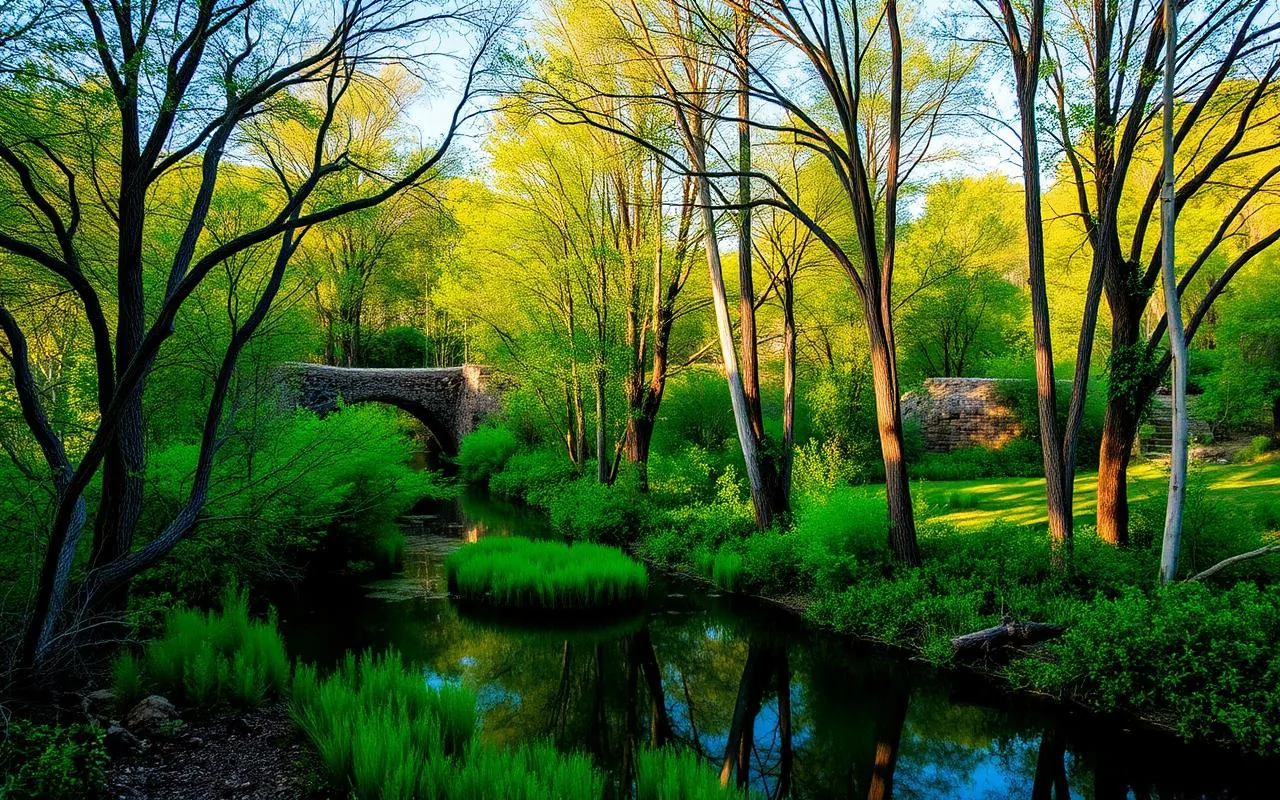
You walk in expecting Sonoran desert and find yourself under a 100-foot canopy of Fremont cottonwood and Goodding willow. There's a four-acre spring-fed pond fringed with cattails, ducks paddling around, the occasional great blue heron standing perfectly still in the shallows. Two hundred and eighty bird species pass through annually. The contrast — desert just outside the fence, eastern-deciduous-forest energy inside — is the entire point of the place.
The first time my mom visited from out of state, she walked through the visitor center, stepped out onto the deck overlooking the pond, and asked me where we actually were. She thought I'd driven her to a different state. That's the right reaction.
The trails and the pond
There are roughly four miles of easy trails — none longer than a mile. The Palm Lake Trail loops the spring-fed pond and is the highlight. The River Ramble Trail follows the Hassayampa through the cottonwood gallery, with several bench overlooks. The Mesquite Meander shows you the transition from desert to riparian and is the trail where you most often see javelina at dawn or dusk.
Plan 90 minutes to two hours to walk it all. Bring binoculars even if you don't consider yourself a birder — vermilion flycatchers, summer tanagers, gray hawks, and the occasional zone-tailed hawk are common, and they don't require expertise to enjoy. The visitor center loans binoculars at the front desk if you forgot yours.
- Palm Lake Trail — 0.5 mi loop around the pond (the must-do)
- River Ramble — 0.6 mi through cottonwoods
- Mesquite Meander — 0.4 mi desert-to-riparian transect
- Lion Trail — 0.7 mi, quieter, deeper into the preserve
Hours, fees, and what to know before you go
Open Wednesday through Sunday, 7 AM–5 PM. Closed Mondays and Tuesdays — plan around this; I've watched too many out-of-towners drive an hour from Phoenix on a Monday and find the gate closed. $7/adult, $3/child. Maricopa County residents get a small discount with ID.
The visitor center has restrooms, a small bookstore with field guides, and a back deck overlooking the pond where you can sit and watch birds without walking. Bring a refillable water bottle — there's a filling station, but no concessions. The cafe option is to drive into Wickenburg afterward for lunch at Anita's Cocina.
No dogs allowed. It's a nature preserve, not a park, and the rule is strictly enforced because dogs stress the wildlife. No bikes on trails. Picnicking is at the designated tables near the visitor center only.
Best time to visit
October through April is the comfortable window. Summer mornings before 9 AM are tolerable but the preserve closes by 5, and the only thing that makes the rest of the day bearable is the cottonwood shade — which is doing heroic work in July. Spring migration (March through May) is the absolute birding peak. Fall cottonwood color (late October through early November) is the visual peak — the canopy turns yellow and the contrast with the desert just outside is stunning.
I'd specifically pick a still morning in early November. The cottonwoods are gold, the air is cool, the migratory waterfowl are stopping over on the pond, and you can hear leaves rustle. There aren't a lot of places in central Arizona where 'rustling leaves' is on the agenda.
Pair with Wickenburg
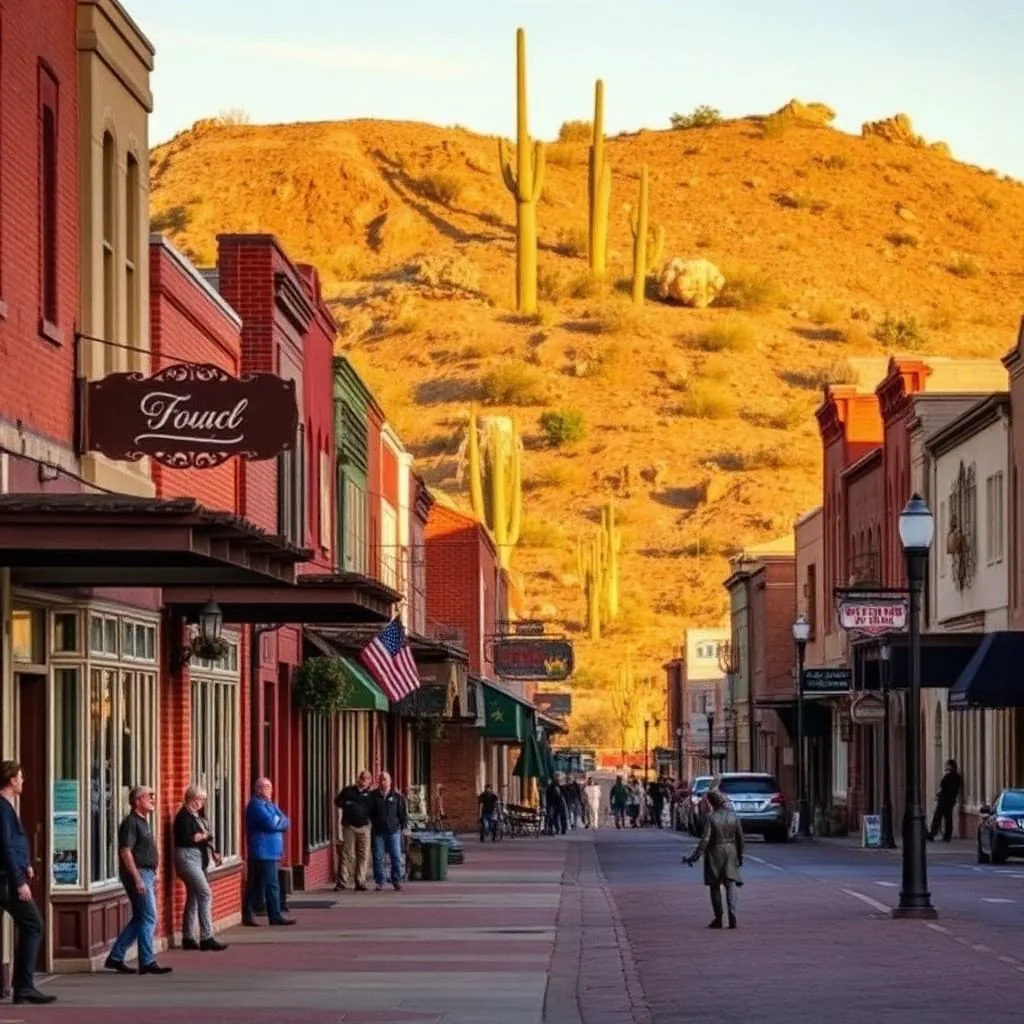
Wickenburg is three miles north — a working ranch town with a surprisingly excellent western art museum (Desert Caballeros — worth $15 of anyone's time), a walkable historic downtown, and several outstanding Mexican restaurants. The Hassayampa-plus-Wickenburg combo is a perfect full day from Phoenix.
My standard itinerary: leave Phoenix at 8 AM, arrive at the preserve by 9, walk for two hours, drive into Wickenburg for lunch at Anita's, spend the afternoon at the Desert Caballeros Museum, and head home by 5 with the late-afternoon light still on the saguaros. You'll feel like you took a real day off.
Frequently asked questions
How much does Hassayampa River Preserve cost?
$7/adult, $3/child (ages 5–12), free for children under 5. Maricopa County residents get a small discount with ID.
Is Hassayampa River Preserve dog friendly?
No. Dogs are not allowed at the preserve to protect wildlife. Plan accordingly.
What is the best time of year to visit Hassayampa?
October through April is comfortable. Spring (March–May) is peak birding; late October to early November is peak cottonwood color.
Do I need to be a birder to enjoy Hassayampa?
Not at all. The cottonwood forest, the pond, the gentle trails, and the contrast with the surrounding desert are worth the visit even if you can't tell a vermilion flycatcher from a robin.