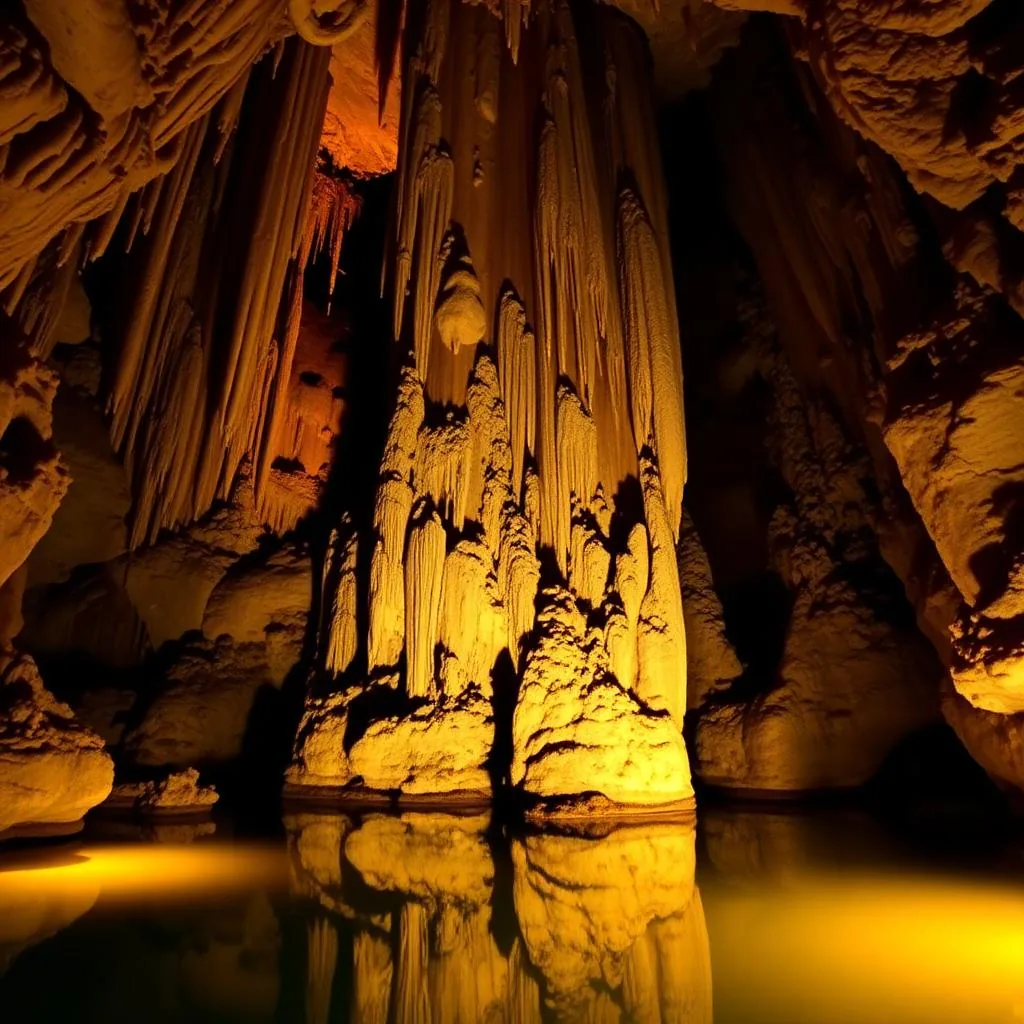
Kartchner Caverns is the show cave Arizona almost lost. Discovered in 1974 and kept secret for 14 years to protect it from looters, it's now a state park where literally every aspect of the visit — lighting, humidity, your breath, the airlock you walk through — is engineered to keep the cave alive. You won't take a single photo inside (cameras are banned), and you'll be amazed how little you mind.
Here's how to actually book a tour and what to expect.
Two tours: Rotunda/Throne vs. Big Room
Kartchner offers two completely separate cave tours, and you can do one or both. The Rotunda/Throne Room Tour (year-round, 1.5 hr, $23 adults) is the headline tour — Kubla Khan, the largest cave column in Arizona, lives here. The Big Room Tour (October 15 through April 15 only, 1.75 hr, $23 adults) is a different chamber that's closed half the year because it's a maternity roost for over 1,000 cave myotis bats.
If you can only do one, do the Rotunda/Throne. If you visit between October and April and have the time, do both — the Big Room has cave bacon, soda straws, and rim pools you won't see on the other tour.
You MUST book in advance
Kartchner tours sell out 2–4 weeks ahead in peak season (spring break, Thanksgiving week, Christmas week). Walk-up tickets exist but are not guaranteed. Book online at AZ State Parks at least two weeks ahead, longer for weekends. The $7 vehicle entry fee is separate from the tour ticket.
What it's like inside
You'll walk through two airlocks designed to maintain the cave's 99% humidity. The temperature is a constant 70°F year-round. The lighting is carefully designed to highlight formations without encouraging algae growth, then dims further between groups. Your guide gives a 15-minute orientation in the staging area, then you're inside for about an hour, walking on a paved path with handrails. The ranger talks the whole way and the geology lesson is genuinely good.
Above-ground: the rest of the park
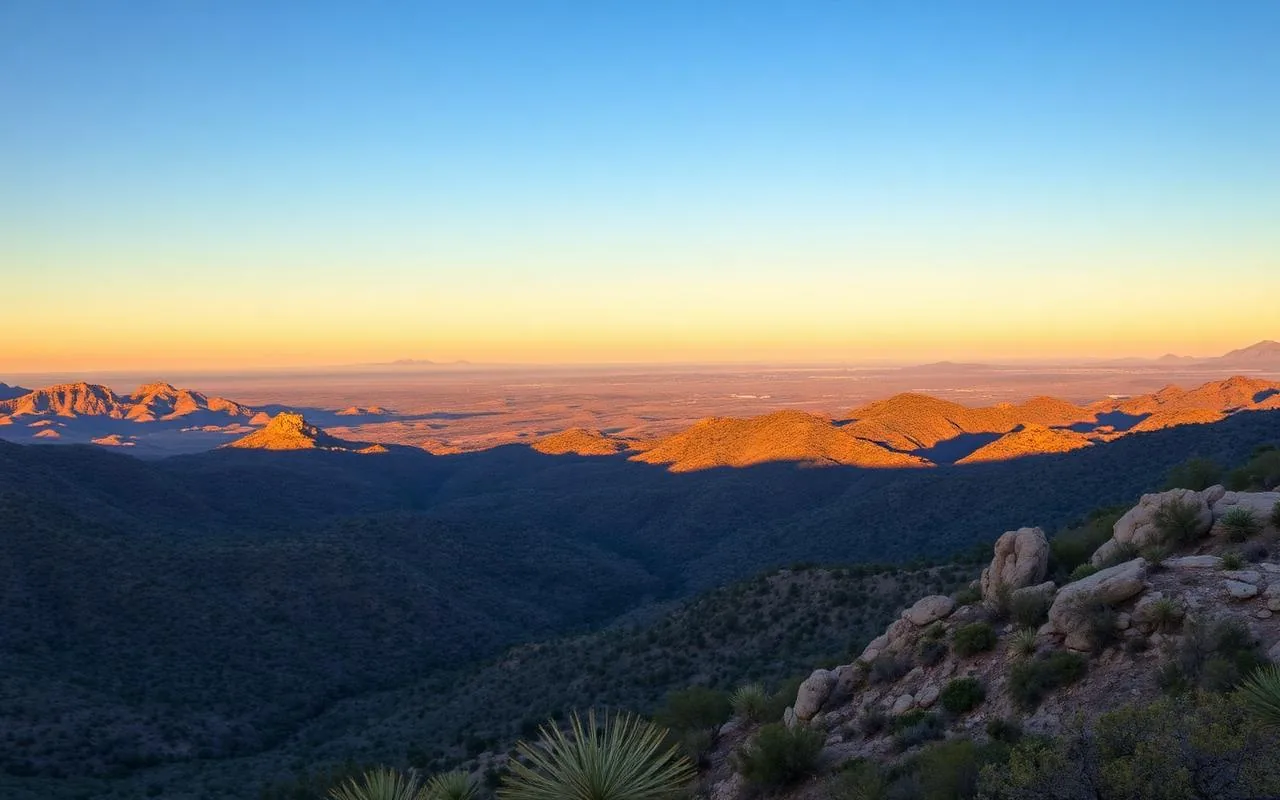
Most Kartchner visitors come for the cave and leave. The state park itself is worth an extra hour or two — there's a Discovery Center with a 23-minute film about the cave's discovery and a museum that lets you photograph replica formations. The Hummingbird Garden has 8+ species in spring. The Foothills Loop hiking trail (2.5 miles) climbs into the Whetstone Mountains for views back across the San Pedro Valley.
- Discovery Center + film (45 min)
- Hummingbird Garden (15 min, peak in April–May)
- Foothills Loop hike (2.5 mi, easy)
- Picnic area under mesquite trees
Practical details
Kartchner is 50 miles southeast of Tucson via I-10 — about a 1-hour drive. No food in the park beyond a small snack bar; bring a cooler. No backpacks, purses, or cameras on the cave tour (free lockers provided). Wheelchair-accessible — both tours run paved paths.
Frequently asked questions
Do you need reservations for Kartchner Caverns?
Strongly recommended. Tours regularly sell out 2–4 weeks ahead in peak season; walk-up tickets are limited.
Can you take photos in Kartchner Caverns?
No — cameras, phones, and bags are not allowed inside the cave to protect the formations and bat colonies.
How long is the Kartchner Caverns tour?
Rotunda/Throne Room is 1.5 hours; Big Room is 1.75 hours. Plan 3 hours total at the park.