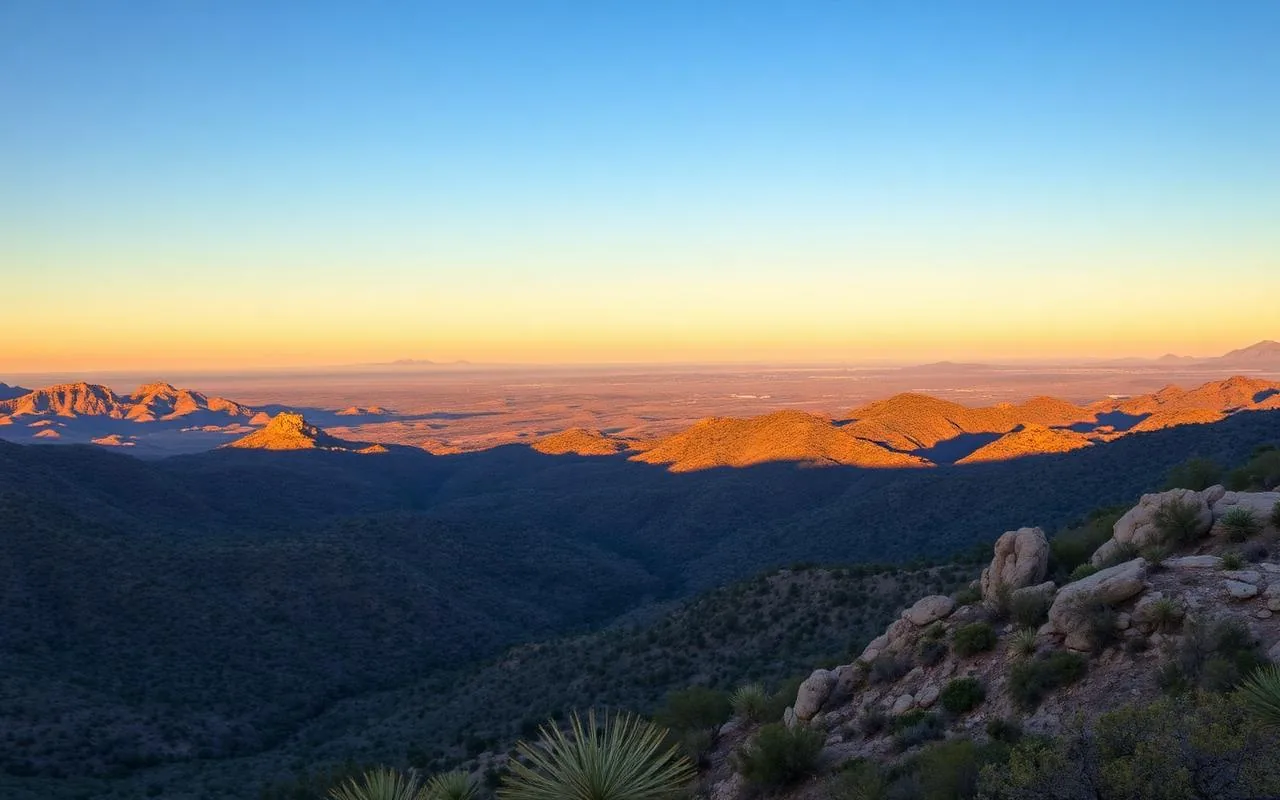
The first time I told a friend visiting from California that I was taking her to Arizona wine country, she laughed at me. Out loud. By the time we were sitting on the patio at Callaghan Vineyards with a flight of Tempranillo and a view of the Santa Rita Mountains rolling out to the south, she had stopped laughing. By the time we'd had lunch at Velvet Elvis in Patagonia and were driving back toward Tucson through grasslands that genuinely look more like Montana than the Sonoran Desert, she was asking when we could come back.
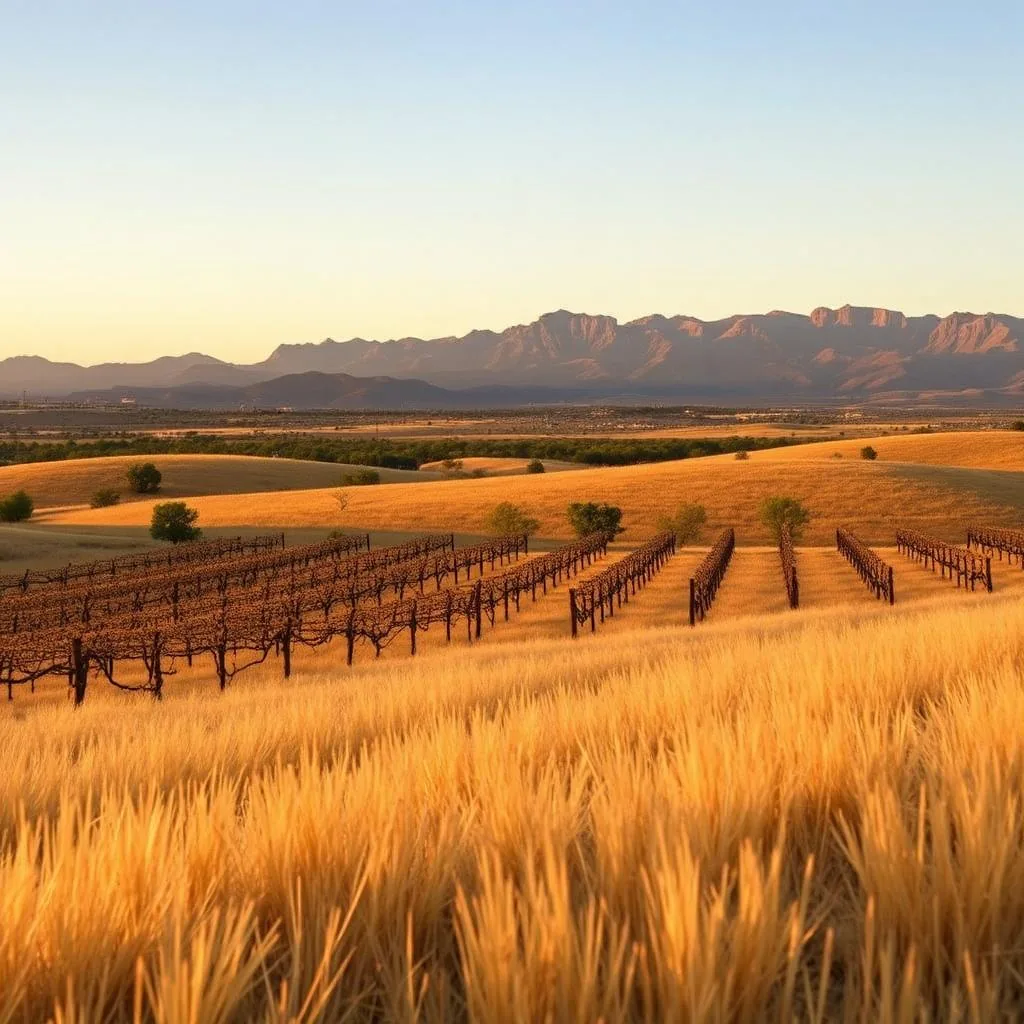
Sonoita-Elgin is Arizona's original wine region. The AVA was designated in 1984, before most of us thought of Arizona as growing anything but citrus and dust. There are now about 20 wineries scattered between Sonoita, Elgin, and Patagonia, mostly producing small lots from Spanish and Rhône varietals that actually like the high desert. The elevation (5,000 feet), granite-rich soil, and dramatic day-night temperature swings produce wines with real structure — Syrah, Tempranillo, Mourvèdre, and the Italian white Malvasia Bianca are the regional standouts.
I'll be honest about the wine: it's good, not Napa-good. The best bottles compete with mid-tier producers in better-known regions. The lesser bottles are pleasant if unremarkable. But the whole experience — the drive south through grasslands, the lack of crowds, lunch on a vineyard patio, the way the light hits the Santa Ritas at 4 PM — is one of Arizona's most genuinely surprising day trips.
Wineries to actually visit
There are 20+ tasting rooms scattered around Sonoita, Elgin, and the village of Patagonia. You can responsibly hit three in a day. Try to do five and you'll either be drunk, exhausted, or both, and you'll have done a disservice to the wines worth tasting carefully. My short list:
- Callaghan Vineyards — the most respected winemaker in the region. Kent Callaghan's Tempranillo and Petite Sirah have been served at White House dinners; the tasting room is small and friendly and the staff actually want to talk about what's in the glass.
- Sonoita Vineyards — Arizona's oldest commercial winery, founded by Dr. Gordon Dutt at the University of Arizona. The patio is lovely, the wines are an honest introduction to the region, and the history is real.
- Dos Cabezas WineWorks (Sonoita village) — eclectic Rhône-style blends, an unpretentious walk-in tasting room right on Highway 82, perfect first stop on the way down.
- Rune Wines — newer, sleek, with a sunset patio facing the mountains that's hard to beat in late afternoon. The Syrah-Grenache blends are consistently the most polished wines I drink in the region.
- Hannah's Hill Vineyard — small, family-run, and the kind of place where you might end up chatting with the winemaker if you go on a quiet weekday.
Where to eat
The Steak Out in Sonoita is the classic dinner spot — an old-school steakhouse with Sonoran-raised beef, a dive-bar atmosphere in the front room, and a fancier dining room in the back. Order the ribeye. It's the right move.
For lunch, Velvet Elvis Pizza in Patagonia (12 miles south of Sonoita on AZ-82) is unexpectedly excellent — wood-fired, organic flour, with a tasting flight of local craft beer if you need a wine break. The owner Cecilia Wynne moved here from a real pizza city and has been quietly outperforming every other restaurant in southern Arizona for two decades. There will be a wait on weekends. It is worth it.
Cafe Sonoita does a great brunch and the kind of strong coffee you need to keep tasting through a long day. The Copper Brothel Brewery in Sonoita is a fun stop if your designated driver wants their own beverage.
Patagonia — don't skip the village
Patagonia is 12 miles south of Sonoita on AZ-82 and worth the detour even if you weren't planning a wine day. It's a tiny artist town with serious birding (the Patagonia-Sonoita Creek Preserve is a Nature Conservancy site that birders fly in from Europe to visit), a single block of galleries and shops, and the Wagon Wheel Saloon — an honest-to-god old Western bar with a long mahogany top, regulars on stools, and zero costume-element.
Patagonia Lake State Park is 10 more minutes south — a small reservoir surrounded by mesquite, easy paddling, surprisingly green water. Bring kayaks if you have them; rentals are limited.
If you've got a full day and want to make the loop interesting, drive into Patagonia in the morning for birding and lunch, then circle back to Sonoita and Elgin for an afternoon of tastings.
Logistics and getting there
Tucson to Sonoita is about an hour: I-10 east to AZ-83 south, then twisting through grasslands and rolling hills for the last 25 miles. The drive itself is the warm-up; even passengers who fall asleep on most road trips usually wake up for the views around the Empire-Cienega rolling hills.
Designate a driver or book a wine tour. There are two or three local operators that run shuttle tastings on weekends — Arizona Winery Tours and Sonoran Adventures are the ones I've heard good things about. Don't drive between tastings if you're seriously tasting; the rural roads have plenty of room to misjudge.
Most wineries are open Thursday through Sunday only; tastings run $15–$25 per person. Some require reservations for groups over four. Call or check websites before you commit to a stop.
Frequently asked questions
How far is Sonoita from Tucson?
About 55 miles or 1 hour south of Tucson via I-10 east and AZ-83 south.
Is Sonoita wine country worth visiting?
Yes, especially if you appreciate small-production wine country without crowds. The wines are good and improving; the setting is spectacular.
How many wineries are in Sonoita and Elgin?
Roughly 20 active tasting rooms in the Sonoita-Elgin AVA, with a handful more in nearby Patagonia and the larger Willcox AVA to the east.
What grapes grow best in Sonoita?
Spanish and Rhône varietals do best — Tempranillo, Syrah, Mourvèdre, Grenache for reds; Malvasia Bianca and Viognier for whites. The 5,000-foot elevation and day-night temperature swings favor these grapes over more delicate cool-climate varieties.