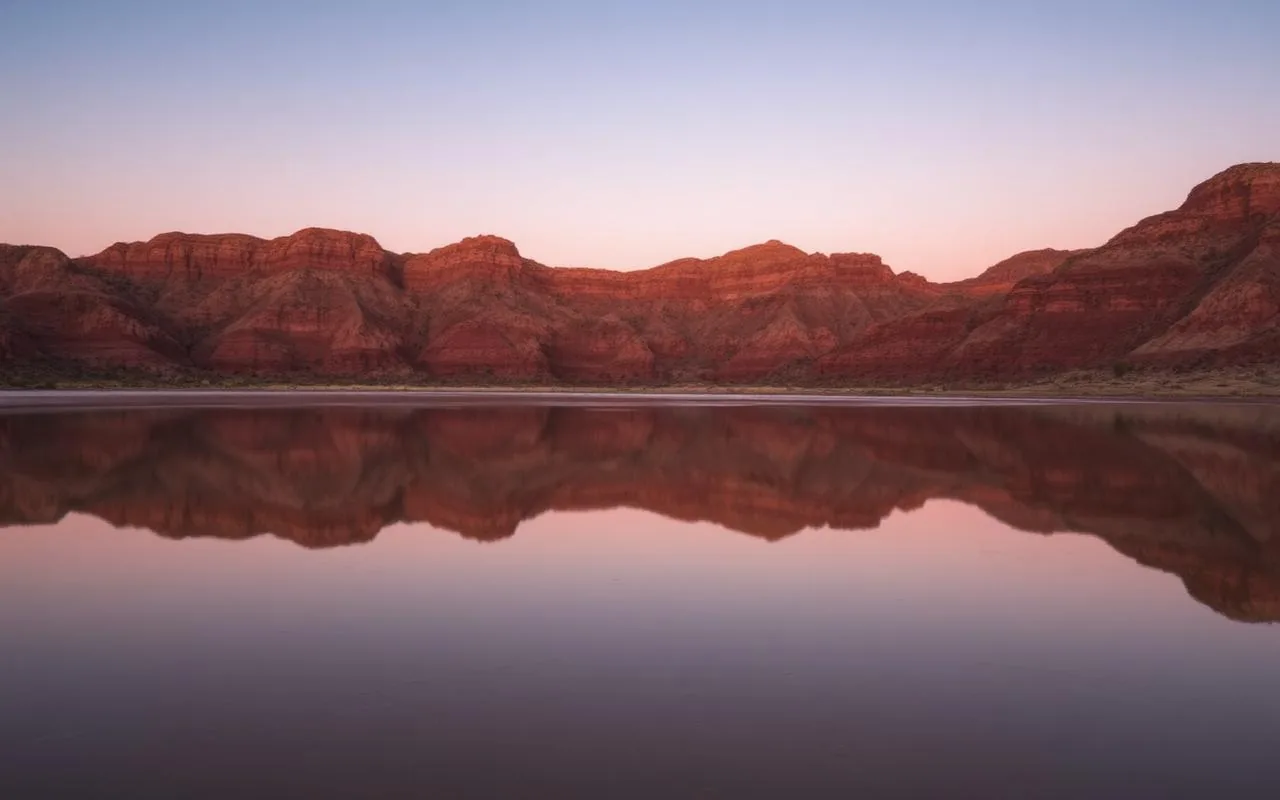
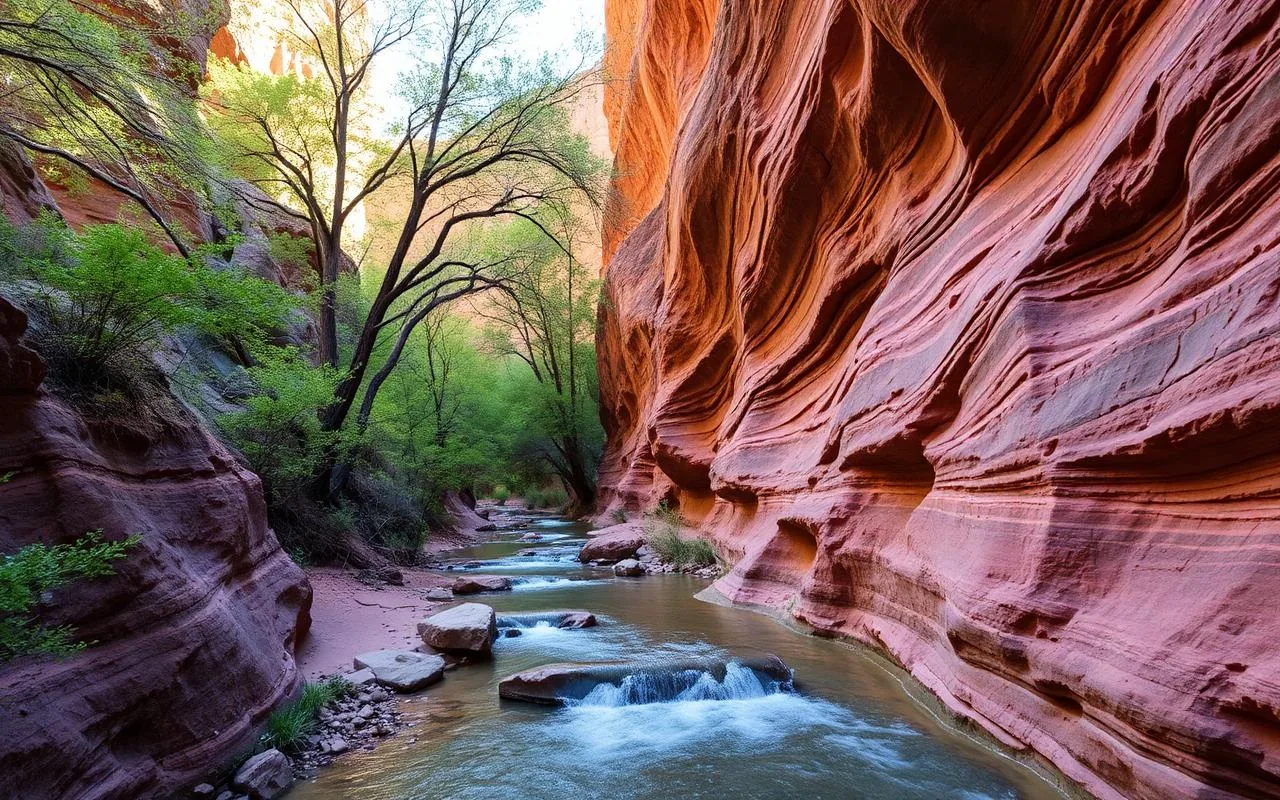
Aravaipa Canyon Wilderness is the kind of place Arizona's marketing department doesn't want too many people knowing about — and that's by design. The BLM caps it at 50 visitors per day (30 from the west entrance, 20 from the east), and permits regularly book out months in advance for spring and fall weekends.
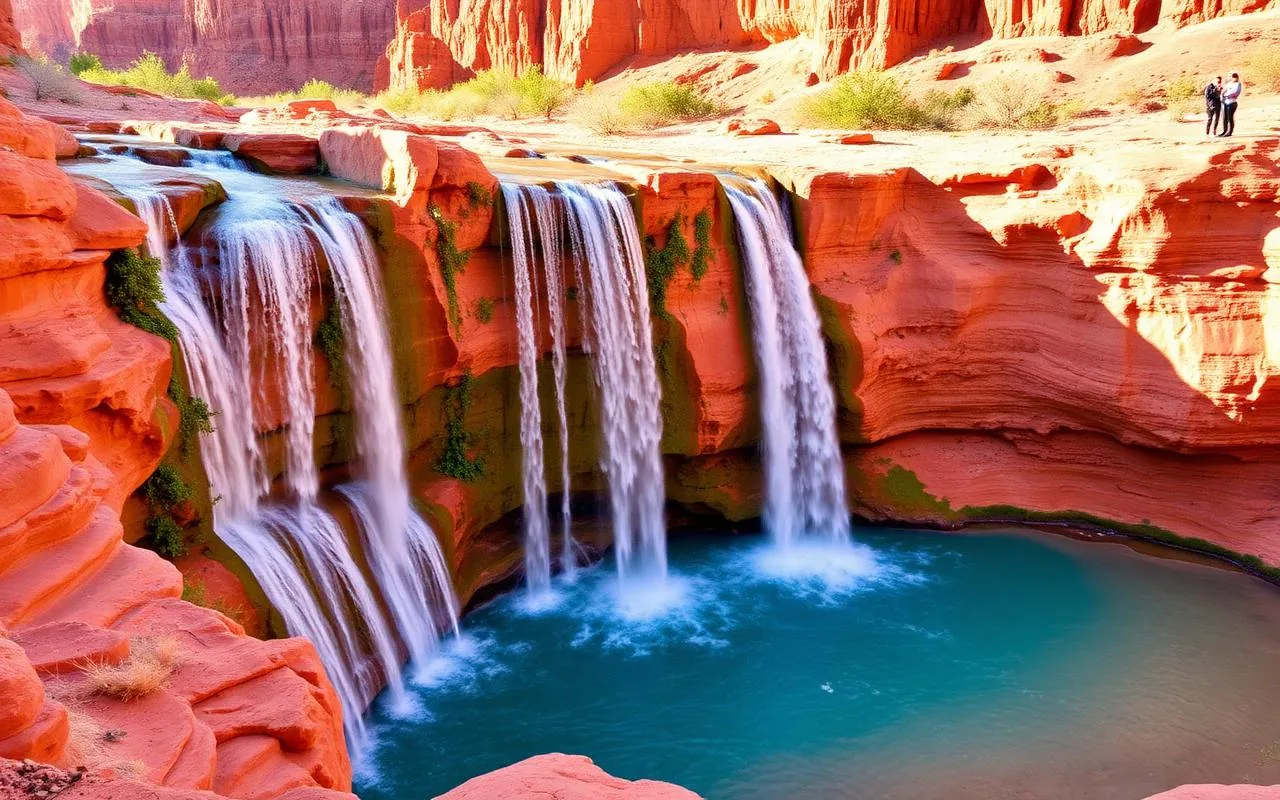
What you get for the planning: an 11-mile canyon with a year-round creek, walls over 1,000 feet, big horn sheep, no maintained trail (you walk in the water), and the kind of wilderness experience that's almost extinct in the lower 48. Here's how to do it.
Getting a permit (start here, not later)
Permits are issued through recreation.gov on a rolling basis, released about 13 weeks in advance. They cost $5/person/day. Spring (March–April) and fall (October–November) weekends disappear within minutes of release. Weekdays and summer are far easier.
You pick an entrance (West, near Mammoth; East, near Klondyke) and a length of stay (day use up to 3 nights). Most first-timers go in from the West for a day hike — it's paved access and the canyon narrows quickly.
What the hike is actually like
There is no trail. You walk in and along Aravaipa Creek, crossing it dozens of times. The water is ankle to knee deep most of the year, occasionally thigh-deep. Progress is slow — plan on 1 mph, not the usual 2–3.
From the west entrance, you can hike 2 miles in to your first side canyon (Hell Hole) and turn around for a great day hike. Stronger hikers can push to Horse Camp Canyon (4 miles in) or Booger Spring (6 miles).
Gear that actually matters
Closed-toe water shoes or trail runners you don't mind drowning (Altra Lone Peaks are the cult favorite). Hiking poles for the slippery rocks. A dry bag for phone/keys. Wide-brim hat. Sun protection — the walls reflect heat. In monsoon season (July–September), DO NOT enter if storms are forecast anywhere in the watershed: flash floods are real and have killed hikers.
- Closed-toe water shoes (NOT sandals — the rocks have edges)
- Trekking poles
- Dry bag for electronics
- 1 gallon water per person per day (creek water requires filtration)
- Permit printed AND on your phone
- Bear canister required for overnight stays
When to go
October through April is the sweet spot — comfortable temperatures, low flood risk, gorgeous golden cottonwoods in November. May is great but hot in the afternoons. June is the hottest and lowest-water month. July through September is monsoon season — beautiful but genuinely dangerous; the BLM closes the canyon during active flood watches.
Logistics — this is remote
From Tucson to the west entrance is about 1 hour 45 minutes via Mammoth. From Phoenix, about 2.5 hours via Florence and Mammoth. The east entrance from Klondyke is high-clearance dirt road only. There's no cell service in the canyon. Tell someone your plan.
Camping near the west entrance is at Aravaipa Canyon Trailhead Campground — primitive, $5/night, first-come.
Frequently asked questions
How do I get an Aravaipa Canyon permit?
Apply at recreation.gov. Permits are released about 13 weeks in advance and cost $5/person/day. Weekday and summer permits are much easier to get than spring/fall weekends.
Can you day hike Aravaipa Canyon?
Yes — day-use permits are available and a 4-mile out-and-back from the west entrance is a perfect introduction. You still need a permit even for a few hours.
Is Aravaipa Canyon dangerous?
It's a remote wilderness with no trail, no cell service, and real flash flood risk during the July–September monsoon. With preparation and the right season, it's safer than most desert hikes — but it requires more planning than a typical trail.